
![[Expert advice] How to spray paint plaster](/media/uploads/kak-pokrasit-gipsovoe-izdelie.webp)
Plaster is a fairly common material, and questions about how to paint it properly from an aerosol can come up very often. There is nothing complicated about it, you only have to follow a few simple rules. This article covers aerosol paints for plaster items (figurines, statuettes, busts and so on), and helps to pick a matching primer and varnish.

Plaster is a fairly common material, and questions about how to paint it properly from an aerosol can come up very often. There is nothing complicated about it, you only have to follow a few simple rules. This article covers aerosol paints for plaster items (figurines, statuettes, busts and so on), and helps to pick a matching primer and varnish.
Preparation
Before painting, the plaster item has to be dried thoroughly. If the plaster has not dried all the way through, defects will certainly show up in the paint. Once you are sure the plaster is completely dry, dust it off.
Priming
A primer is needed to even out minor surface defects and to make the following coats of paint lie evenly without soaking into the plaster. Prime with KU-210X acrylic primer in two coats. Gray primer KU-2101 is the better choice: unlike the white one, it is clearly visible on a plaster surface and makes it easy to check that the coat is even. The exception is chameleon paint, which looks best over a black base. In that case use the black primer KU-2103.
The drying time of the acrylic primer is 1.5 hours at +20°C. Once it has dried, the primed surface can be sanded with fine sandpaper if minor defects have to be removed. After sanding, dust the surface off again, and you can start painting with any type of paint.

Painting
Acrylic aerosol paints can be divided into solid colors (non-metallics) and metallics.
Acrylic non-metallics:
- semi-matt SATIN RAL, which gives a silky feel and is very pleasant to the touch;
- multipurpose fast-drying RAL, high-gloss and matt;
- multipurpose fast-drying pastel matt acrylic.
Acrylic metallics SILVER GRAIN FINISH, REFLECTIVE FINISH and MIRROR FINISH differ in the type of pigment (more about pigment types here), but there is no noticeable difference in the way they are applied. Cellulose ester automotive metallic paint is also suitable for painting a primed plaster item.
Alkyd paints in aerosol cans generally give a stronger and more durable finish than acrylic ones. They do, however, behave differently during application, drying and polymerization, so we recommend reading about them here first.
Effect finishes, although they have an acrylic base, may involve more complex application sequences or other particularities, which is why they are grouped in a separate category. Glitter: a sparkling surface effect. Chameleon: the finish changes color as the viewing angle changes. The effect is strongest over a black primer and almost invisible over a white one. Crackle, the cracked effect: consists of a base coat and a top coat. The top coat cracks as it is applied, creating the look of an aged item. Vintage patina, the antique effect: consists of a base coat and a top coat. After application, the top coat has to be partly rubbed off, which creates the patina effect. With this finish, plaster statuettes look indistinguishable from antique silver or bronze ones.
-
New

RAL Fast-Drying Acrylic Paint
+55Gloss | Matt -

Fast-Drying Pastel Matte Acrylic Paint
+2Matt -

SATIN RAL General-Purpose Acrylic Spray Paint
+21Semi-matt -

RAL Alkyd Spray Paint
+35Gloss | Matt -

Acrylic Spray Paint MIRROR FINISH
Available colors

-
New

Acrylic Spray Paint SILVER GRAIN FINISH
Available colors



 +9
+9
-

Acrylic Spray Paint REFLECTIVE FINISH
Available colors

 +2
+2
-

Glitter-Effect Acrylic Spray Paint
Available colors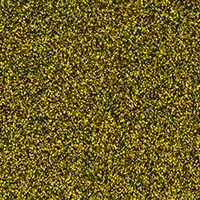
-

Chameleon-Effect Acrylic Spray Paint


Topcoat – applying the varnish
Varnishing paint is far from always necessary, and sometimes a varnish can spoil the finish. So read these recommendations carefully and do it right.
Acrylic non-metallics do not need to be varnished. They are durable enough as they are and look good. The only case where gloss acrylic varnish KU-9002 makes sense is over a matt acrylic paint, to give the surface a gloss.
Metallics with a leafing pigment, REFLECTIVE FINISH and MIRROR FINISH, must not be varnished, because that cancels the decorative effect. Mirror chrome, for example, turns plain gray.
Metallics with a non-leafing pigment, SILVER GRAIN FINISH, can be coated with acrylic varnish for extra protection, but there is no real need for it.
Automotive metallic on a cellulose ester base, on the other hand, must be varnished. The varnish gives the finish gloss, brings out the metallic effect and protects a surface that would not last long without it. The best choice is the 1K acrylic automotive varnish KU-9010; the multipurpose acrylic varnishes KU-9002 and KU-9004 (gloss and matt) can be used as well.
Alkyd paint should not be varnished: it gives enough gloss on its own and is harder than acrylic varnish.
Glitter leaves a rough surface after application, so acrylic varnish makes sense here: the surface becomes glossy and the sparkling effect gets stronger.
Chameleon does not have to be varnished, but a coat of varnish gives the finish extra strength. Crackle can be left as it is, though a coat of varnish makes sense for extra protection. Vintage patina, on the other hand, does have to be varnished, otherwise the water-based top coat rubs off easily.


